Israel said the targeted Shiraz facility produced key missile-related chemical components, while new military footage showed strikes on Iranian air defense systems.
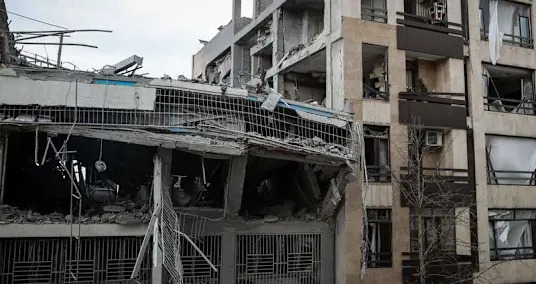
The IDF hit a petrochemical compound in Shiraz on Monday, the military announced on Tuesday, stating that the facility was "one of the last remaining sites used for producing critical chemical components for explosives and other materials for developing ballistic missiles."
The facility was used to produce nitric acid, which is critical to producing explosives and other ballistic missile components, the military stated. This facility was "one of the last remaining compounds producing critical chemical components for explosives and materials for developing ballistic missiles," the military said.
The military's statement and publication of an infographic follow Defense Minister Israel Katz's confirmation on Monday that the IDF had struck the South Pars petrochemical facility near Asaluyeh in southern Iran, the largest such facility in Iran. The facility is no longer functioning, he stated, indicating that IDF strikes on two of Iran's petrochemical facilities, which are responsible for 85% of Iran's petrochemical exports, had "taken them out of use."
"Prime Minister Benjamin Netanyahu and I have instructed the IDF to continue attacking...the infrastructure of the Iranian terrorist regime," he said. The petrochemical industry is a major source of finances for the IRGC and for Iran's military industry in general, Katz added.
The IDF also struck the petrochemical complex in Mahshahr on Saturday, which is one of the key sites for the production of chemical materials used for weapons.

IDF continues to strike Iran's air defenses
Additionally, the IDF on Tuesday published footage of the Israel Air Force striking Iran's air defense systems over an unspecified period of time. The footage shared was taken from cameras within the missiles used to hit the air defense systems, the military noted.
According to the military, over 130 systems were "dismantled," but the military did not clarify whether this was since the start of Operation Roaring Lion on February 28, or during a specific time period during the operation. "The IDF continues its systematic efforts to further dismantle the Iranian terror regime's fire array and air defense systems across Iran," the military stated.
IDF footage of Israel Air Force airstrikes destroying Tehran's air defense systems, published April 7, 2026. (credit: IDF SPOKESPERSON'S UNIT)
Meanwhile, footage shared by Iranian media appears to show strikes on Tehran at approximately 10:30 a.m. on Tuesday.
The Shi'ite holy city of Qom was also reportedly struck on Tuesday morning. According to a Tuesday report by London-based The Times, Iranian Supreme Leader Mojtaba Khamenei is currently located in Qom, unconscious, and unable to run the regime.
Ariella Roitman and Jerusalem Post Staff contributed to this report.
LATEST POSTS
- 1
 Israel says soldiers wounded in Gaza fighting amid fragile truce
 - 2Andrew McCarthy's awe-inspiring image of a skydiver in front of the sun
- 3At least 18 Palestinians killed in latest clashes in Gaza
- 4Health officials report 14 Legionnaires' disease cases in Florida, gym connection suspected
- 5Figure out how to Separate Among Fledgling and Master Fender bender Legal counselors


- A Manual for Extravagant Vehicles Available in 2024
- Yemen's Houthis ready to join Iran war if needed, raising new shipping risk
- Seoul says sorry after unapproved drone flights into North Korea
- ‘Nahariya get ready’: Banner displaying Hezbollah threat mounted in Tehran’s Palestine Square
- Claim that Israel opened 'sewage dam' into Gaza's main river undersells sanitation crisis
- The 15 Best Business visionaries Under 40
- Why the chemtrail conspiracy theory lingers and grows – and why Tucker Carlson is talking about it
- 5 Food varieties to Remember for Your Eating regimen for Ideal Wellbeing
- Israeli military says it hit dozens of military facilities in Tehran